
Structure
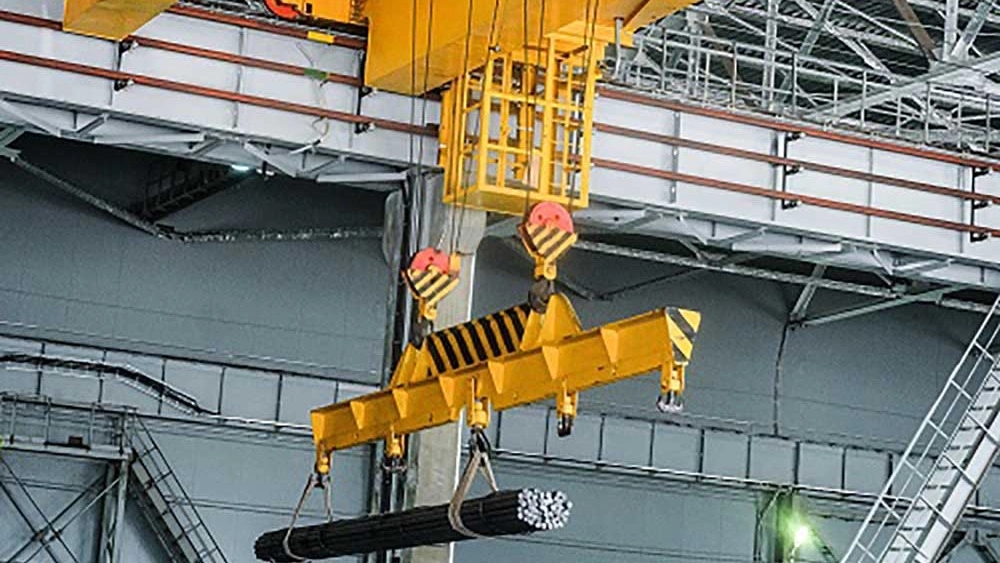
The main difference between overhead crane and gantry crane is in their structure. Overhead cranes are designed to be suspended from a truss system that is installed on the ceiling or roof of a building. The crane itself usually consists of a bridge that spans the width of the workspace, a hoist that moves along the bridge, and a trolley that moves horizontally along the bridge. This design allows maximum use of space in the workplace and minimizes floor space obstruction.
On the other hand, gantry cranes are supported by two or more legs that move along rails or tracks. Legs are usually fixed to a concrete base or anchored to the ground. A cross beam is attached to the top of the footings and the hoist runs along the cross beam. Gantry cranes can be moved around the work environment and can be used outdoors because they do not need a fixed structure to support them.
Mobility
Another important difference between an overhead crane and a gantry crane is mobility. Overhead cranes are stationary machines and can only move along the runway system. However, the gangway system can be extended to cover a larger area, allowing the crane to move from one end of the workspace to the other. This makes overhead cranes ideal for lifting and carrying loads across a wide span.
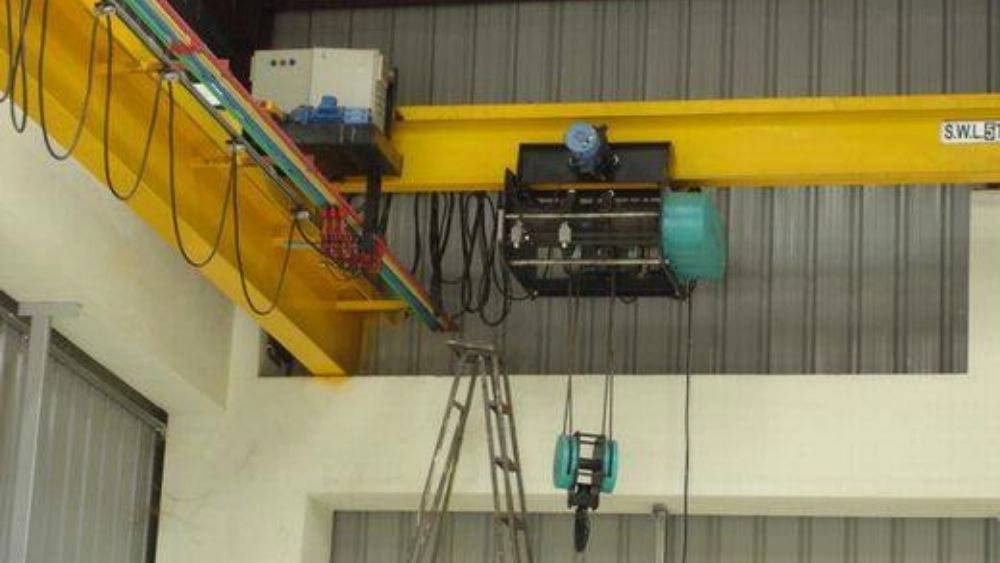
On the other hand, gantry cranes are mobile machines and can be moved around the work environment. Gantry cranes are designed with wheels or tracks on their legs that allow them to move in any direction. This makes gantry cranes more versatile than overhead cranes and can reach areas that are difficult for overhead cranes.
🔷 internal and external
Overhead cranes are usually used for indoor applications due to their fixed structure. These cranes are ideal for lifting heavy loads, moving materials in a production line and transporting goods from one place to another in a factory or warehouse.
On the other hand, gantry cranes are for use in space. They are more convenient because they can be moved quickly and easily. These cranes have their own support structure, which means they do not need to be attached to a building or structure. They are often found in shipyards for loading and unloading cargo, on construction sites for moving large equipment and materials, and in storage areas for stacking containers and other bulky items.
اری expense
Both overhead cranes and gantry cranes have their own unique advantages. Overhead cranes are ideal for larger workspaces that require higher heights and heavy loads. Gantry cranes, on the other hand, are more affordable and versatile, making them ideal for smaller workspaces or outdoor applications. Understanding the difference between these two types of cranes is very important in choosing the best option for your specific needs.